
The biting Colorado Springs winter air outside is one thing. But when that same chill creeps inside your home because your gas furnace has decided to quit? That’s an entirely different kind of cold dread.
You woke up expecting warmth, only to find a terrifying silence where the comforting hum of your furnace should be. Your mind immediately races: How cold will it get? Is everyone okay? What do I do right now?
That moment of panic is real, and it’s a situation no homeowner wants to face. But here’s the good news: knowing the vital first steps can turn a full-blown emergency into a manageable problem.
Let’s cut through the confusion and get you prepared for exactly what to do when your gas furnace lets you down.
Immediate Action: Your First Steps When the Heat Dies
When that familiar comforting warmth vanishes, and your Colorado Springs home starts to feel like the North Pole, don't just stand there shivering. Take a deep breath. Your first moves are critical and can often save you an emergency service call. Start with the simplest culprit: your thermostat. Is it set to "heat"? Is the desired temperature significantly higher than the current room temperature? A surprisingly common issue is a simple missetting or dead batteries.
If the thermostat isn't the problem, it’s time for a quick visual inspection and a few more basic checks. These aren’t rocket science, but they address the most frequent reasons a furnace suddenly decides to go on strike.
Quick Checks Before You Call for Help:
- Check the Circuit Breaker: Head to your electrical panel. Look for a breaker labeled "Furnace" or "HVAC." If it’s tripped (usually halfway between on and off), flip it completely off, then firmly back to the "on" position.
- The Furnace Power Switch: Most furnaces have a standard light-switch style power switch right on or next to the unit. Make sure it hasn't been accidentally flipped to "off."
- Gas Supply Valve: Locate the gas line going into your furnace. There should be a shut-off valve. Ensure the handle is parallel with the pipe, indicating it’s fully open. If it’s perpendicular, it’s closed.
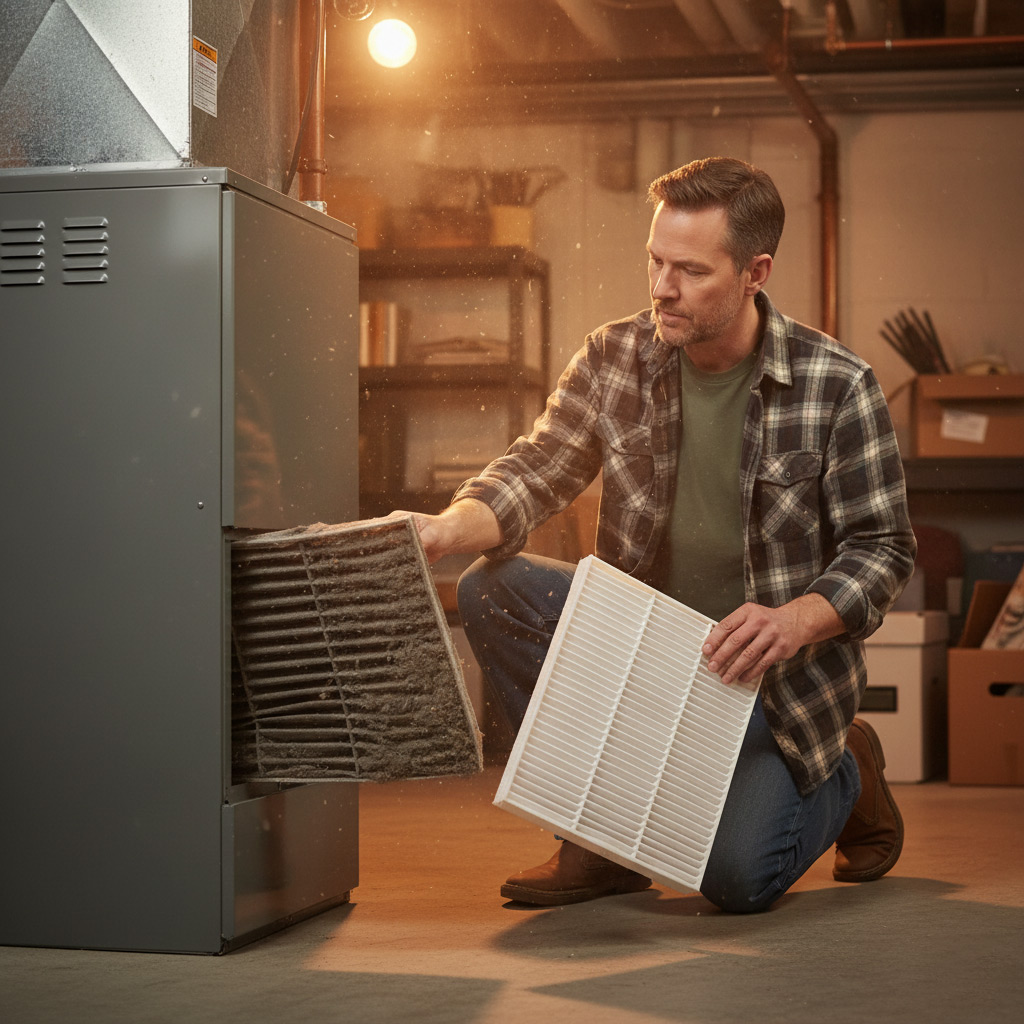
- Inspect the Air Filter: A severely clogged air filter can cause your furnace to overheat and shut down as a safety precaution. While it might not stop it from starting, it can prevent it from running. A quick glance might reveal a filter thick with grime.
These initial, practical steps are designed to help you quickly diagnose and potentially resolve minor issues yourself. Think of it as a crucial triage for your heating system. If, after these checks, your home is still stuck in the deep freeze, it signals a more involved problem that requires expert attention. Now you're ready for the next step, knowing you've covered the basics.
Beyond DIY: Recognizing When to Call the Colorado Springs HVAC Experts
Look, we get it. Your first instinct might be to roll up your sleeves and troubleshoot. And for simple things like checking the thermostat settings or swapping out a dirty air filter, that’s great. But when it comes to a gas furnace, especially one that’s gone completely cold, there’s a critical line where DIY stops and professional help becomes an absolute must.
A gas furnace isn't a simple appliance; it’s a sophisticated system involving natural gas, high voltage electricity, and complex combustion processes. Missteps here aren't just about breaking something; they can be genuinely dangerous, risking gas leaks, carbon monoxide exposure, or electrical fires. Unless you’re a certified HVAC technician, fiddling with gas lines, igniters, flame sensors, or control boards is a risky gamble you simply can’t afford to take with your family’s safety.
So, when do you put down the toolbox and pick up the phone? Here are the undeniable signs that it’s time to call in the Colorado Springs HVAC pros:
- The furnace is completely unresponsive after basic checks (thermostat, circuit breaker, gas valve).
- You smell gas near the unit. This is an immediate emergency – evacuate and call your gas company and HVAC expert!
- There are strange, loud noises coming from the furnace, like grinding, banging, or screeching.
- The pilot light keeps going out, or the electronic ignition isn’t sparking reliably.
- You see error codes on your furnace’s digital display that you don't understand.
- The furnace is cycling on and off too frequently (short cycling) or running constantly.
- Your home just isn't getting warm, even if the furnace seems to be running.
Don't wait for a small issue to become a major one. A professional technician has the specialized tools and training to diagnose the problem quickly and safely, often preventing more costly repairs down the line.
Understanding the Repair Process: What Happens When a Technician Arrives?
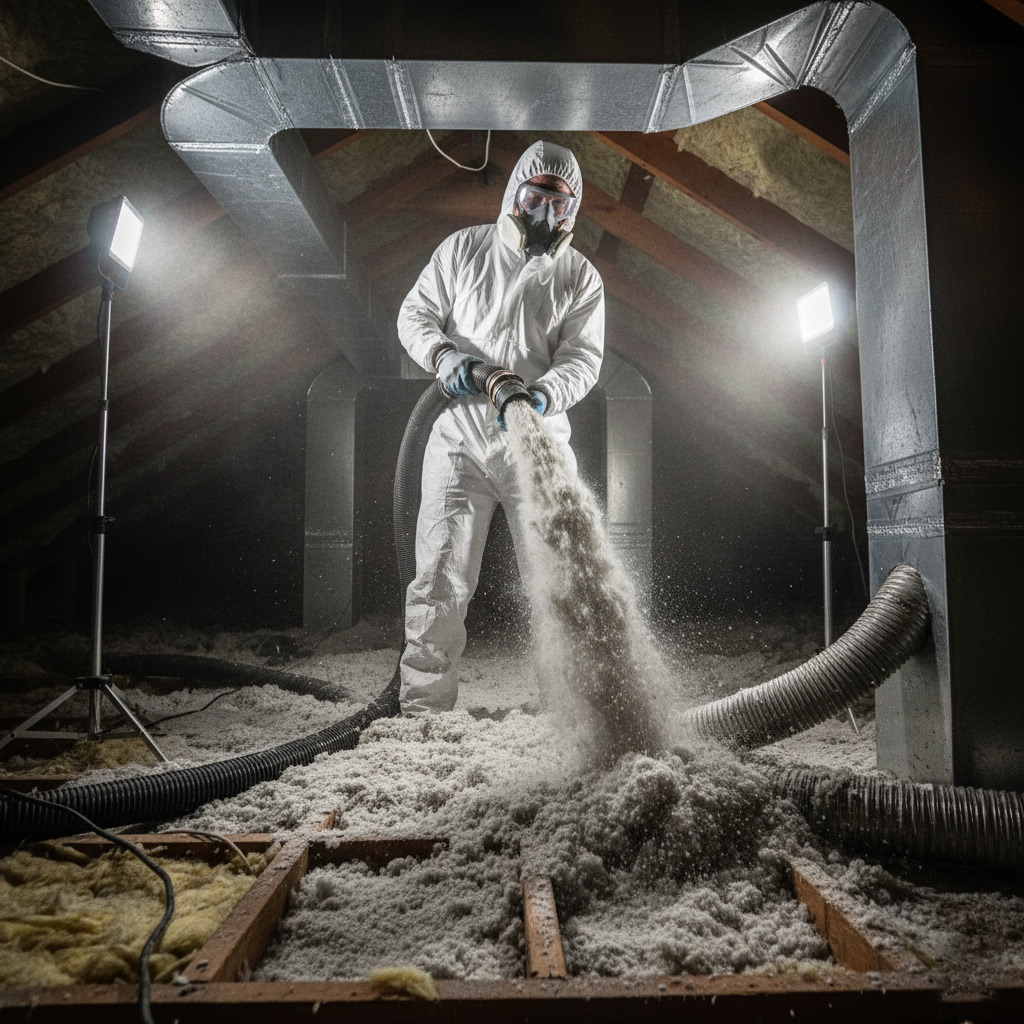
You've made the smart call, and now a certified Colorado Springs HVAC technician is at your doorstep. What happens next isn't some guessing game; it's a systematic approach to get your heat back fast.
First, expect a thorough diagnosis. Our pros start by listening to your observations, then dive deep, checking everything from the thermostat settings and electrical connections to the gas line and furnace components. They’re looking for the root cause, not just treating symptoms.
The Diagnosis & Your Options
- The technician will conduct a comprehensive inspection, often using specialized tools to pinpoint issues. This includes checking ignitors, flame sensors, heat exchangers, and the blower motor.
- Once the problem is identified, they’ll explain it to you in clear, plain language. No jargon, just facts.
- You’ll then receive a transparent breakdown of the necessary repairs, including a firm quote for parts and labor. We believe in no surprises when it comes to your comfort.
With your approval, the real work begins. The technician will swiftly and professionally address the issue, replacing faulty parts with high-quality components designed for Colorado Springs' demanding climate. They work meticulously, ensuring every connection is secure and every part functions perfectly.
After the repair, a critical step is testing. Your furnace won't just be turned on and left; it will be cycled through several stages to ensure it’s operating safely and efficiently. We verify proper ignition, consistent heating, and optimal airflow, leaving you with complete peace of mind that your home will stay warm.
Common Culprits: Why Gas Furnaces Fail in Colorado Springs Homes
Ever wonder why your furnace suddenly calls it quits? Often, the culprit is surprisingly simple yet devastatingly effective: a clogged air filter. Here in Colorado Springs, with our unique mix of dry air and occasional dust, those filters get packed fast. When airflow is choked off, your furnace struggles to breathe, leading to overheating, component strain, and eventual shutdown. It’s like trying to run a marathon while holding your breath – something’s eventually going to give.
Beyond the filter, problems often surface around the ignition system. Whether it's a dirty flame sensor failing to detect heat or a pilot light that refuses to stay lit, these issues prevent the furnace from even starting its heating cycle. Imagine your car won't start because of a spark plug issue – same idea, different kind of comfort lost. Another frequent offender is general wear and tear on moving parts, like the blower motor or fan belts, which can seize up or break down after years of faithful service.

Preventing Future Failures: The Power of Proactive Furnace Maintenance
Nobody wants to deal with a dead furnace in the middle of a Colorado Springs freeze. That kind of crisis is expensive, stressful, and entirely avoidable. Think of your furnace like your car: you wouldn't skip oil changes or tire rotations and expect it to run perfectly forever. The same goes for your home's most important winter appliance.
Proactive furnace maintenance isn't just about avoiding emergency calls; it's about safeguarding your comfort and your wallet. A yearly professional tune-up means a certified technician can catch minor issues—like a worn belt or a clogged filter—before they snowball into a catastrophic breakdown. This simple step can add years to your system's lifespan, keep your energy bills from skyrocketing, and ensure your furnace runs at peak condition when you need it most.
Investing a little now saves you a lot later. Our Colorado Springs HVAC experts perform a comprehensive check, cleaning vital components and calibrating settings for optimal performance and safety. It’s the smart play against unexpected cold snaps and the best way to guarantee reliable warmth throughout the long winter season. Don't wait until you're shivering; schedule that essential annual service.
Case in Point: A Colorado Springs Furnace Repair Success Story
Just last month, a family right here in Falcon, a bit east of Colorado Springs, faced the ultimate winter nightmare. Their gas furnace, after years of loyal service, suddenly refused to ignite on one of the coldest nights of the season. They woke up to a bone-chilling 50 degrees inside, and a house full of increasingly grumpy kids.
Panic started to set in, but they remembered us. Our emergency team dispatched a technician promptly, arriving within an hour to assess the situation. It turned out to be a faulty ignitor and a clogged flame sensor – common issues, especially with older units. Our expert had the replacement parts on his truck and got their system humming again within 90 minutes of arrival.
The relief was palpable; a freezing home transformed back into a warm sanctuary before lunch. This wasn't just a repair; it was restoring comfort and peace of mind during a stressful time. It underscores why having a trusted, local HVAC partner in Colorado Springs is not just convenient, but absolutely vital when the unexpected happens.
Final Words: Keeping Your Colorado Springs Home Warm All Winter Long.
When the Colorado Springs winter turns brutal, your gas furnace isn't just an appliance; it's your family's shield against the cold. Understanding the immediate steps to take and, crucially, knowing when to call in the experts, can save you from a lot of stress and discomfort.
Don't let the next unexpected furnace failure leave you in the cold. Being prepared means more than just a warm blanket; it means having a plan. This includes regular maintenance and knowing exactly who to call when things go wrong.
Ultimately, a reliable, well-functioning gas furnace provides more than just heat; it delivers uninterrupted comfort and safety for your home. Keep your family warm, safe, and secure all winter by trusting the professionals with your Gas Furnace Repair needs and preventative check-ups.
People Also Ask
What are the first steps to take if my gas furnace stops working in Colorado Springs?
First, check your thermostat settings to ensure it's on 'heat' and the temperature is set above the current room temperature. Then, inspect your circuit breaker for a tripped switch and verify the furnace's power switch is 'on', as these are often simple fixes.How do I know if my gas furnace repair is urgent or an emergency?
A repair is urgent if you smell gas, hear loud banging noises, or experience no heat during freezing Colorado Springs temperatures, as these can indicate safety hazards or significant discomfort. In such cases, contact a professional immediately and consider turning off your gas supply if you suspect a leak.What are some common reasons gas furnaces fail in Colorado Springs?
Common culprits include dirty air filters restricting airflow, pilot light or ignition problems, thermostat malfunctions, and wear and tear on components like the blower motor or limit switch. These issues often lead to inefficient heating or a complete system shutdown.When should I call a professional HVAC technician for furnace repair instead of attempting DIY fixes?
You should call a professional when simple checks like thermostat settings or circuit breakers don't resolve the issue, or if you encounter complex problems such as gas leaks, strange noises, or persistent system failures. Attempting advanced repairs yourself can be dangerous and void warranties.Is it always better to repair my gas furnace, or should I consider replacement?
Repair is often the better option for newer furnaces with minor issues, but replacement might be more cost-effective for older units (15+ years) with frequent breakdowns or significant component failures. A qualified technician can assess your furnace's age, efficiency, and repair costs to help you make an informed decision.
Colorado Springs HVAC provides comprehensive heating and cooling services with proven expertise. Their team of skilled technicians is experienced in addressing a variety of climate control needs for the local area. Committed to serving Colorado Springs, they offer dedicated solutions tailored to the community.
Need HVAC?
We promptly execute critical services and project requirements, ensuring successful completions and tangible results for clients across Colorado Springs and surrounding communities (80903, 80907, 80918, 80920, 80921). Our expedited processes consistently deliver desired outcomes.
Get Instant Quote